We accept
Medicare Advantage plans to fit your dental needs.
Medicare Advantage plans to fit your dental needs.

Since you learned to brush your teeth, you’ve probably heard of the negative impacts tooth decay and cavities can have on your dental health. And while that is certainly true, there is another disease that gets less attention, but can create more serious dental issues if left untreated. That culprit is gum disease. Missing teeth can cause embarrassment and gum disease is the leading cause of tooth loss in adults. However, gum disease can be slow to develop and slow to present symptoms, making it critical for everyone to understand what gum disease is and how it can be prevented.
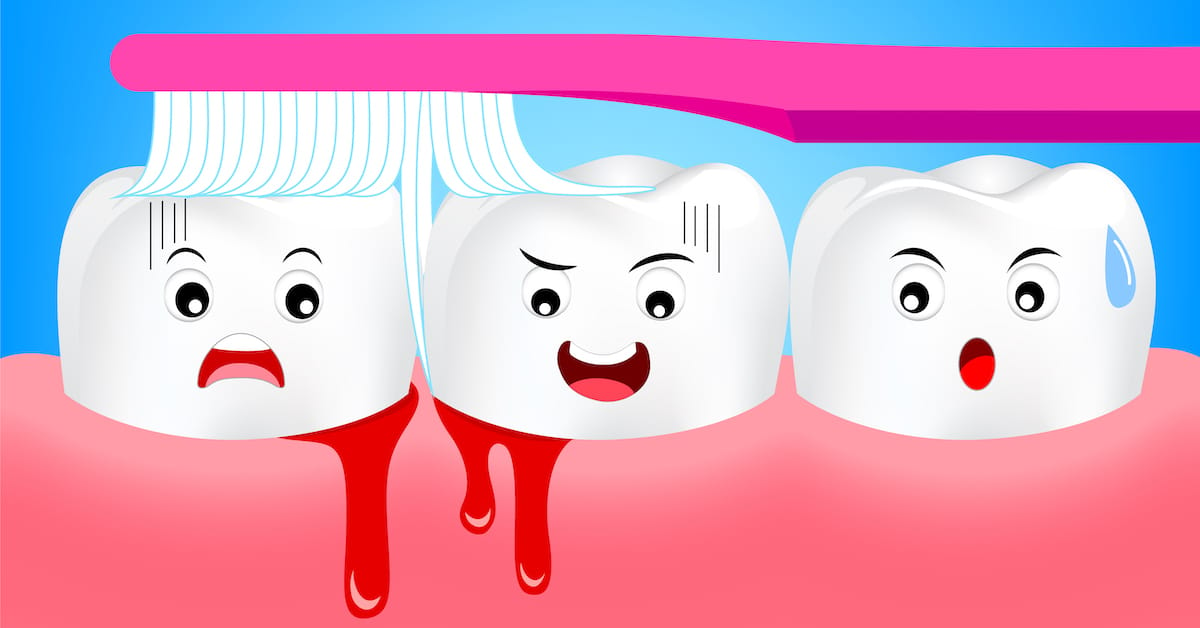
In its earliest stages, periodontal disease, or gum disease as it’s commonly known, is called gingivitis. This type of gum disease is relatively mild and usually presents only a few symptoms that can easily be overlooked by patients. For instance, you may think you brushed your teeth too hard or used the wrong mouthwash, rather than attribute your red gums to gingivitis. Regular dental visits are essential to ensure that this condition is spotted early.
If not treated, gingivitis will generally develop into a more serious form of periodontitis over time. Mild periodontitis may also not present many symptoms in some patients, but moderate to severe gum disease usually results in looseness of the teeth, bad breath and pockets of pus just under the tissue of the gumline.
Gum disease can often be reversed in its initial stages. Once it has progressed past a certain point, however, it can be extremely difficult to protect your teeth from the effects of periodontitis. Know that you are not alone if you have gingivitis. Over 75 percent of adults and 60 percent of teenagers have some form of gum disease. Unfortunately, only 15 percent are aware of it and are likely to actively seek treatment. As such, it’s vital to understand the warning signs and risk factors.
Most of the cases of periodontal disease are at least partially caused by poor dental hygiene habits. Failing to brush after each meal or snack, generally neglecting your teeth and not visiting the dentist regularly can result in a much higher risk of gum disease. About a third of patients with gum disease, however, develop this condition because of genetic factors outside their control.
Some of the most common contributing factors to gum disease include the following:
While it might not be completely obvious that you have gum disease, you may notice a few unusual symptoms. If you do, it would be best to speak with a professional, especially if you have been a bit lax about brushing your teeth lately or you have other risk factors like those listed above.
If you experience any of these symptoms, early detection and treatment of periodontal disease is essential to promote the best outcomes for the disease. It’s better to avoid costly and invasive procedures if possible.
Periodontitis is what happens when gingivitis is allowed to continue unabated. This stage of gum disease is characterized by the gums pulling away from the teeth, plaque freely entering the pockets created and wrecking havoc on the ligaments that hold the teeth in the jawbone, the teeth and the jawbone. Eventually, the teeth become loose and fall out or have to be removed by a dental professional. This stage of the disease is painful and irreversible.
There are a few varieties of gum disease that can impact patients, depending on their risk factors.
Some of the most important things you can do to prevent gum disease from taking hold in the first place include:
If you are concerned about gum disease or any other dental disorders, an affordable dentist in Flint can help ensure that you don’t succumb to the final stages of gum disease. It’s much better to meet with your dentist today when you have gingivitis than in two months when you have periodontitis.