We accept
Medicare Advantage plans to fit your dental needs.
Medicare Advantage plans to fit your dental needs.

Almost everyone has been there. It's late at night, you're exhausted, and you have to get up extra early, so you're tempted to skimp on your nightly oral hygiene regimen or skip it altogether. Don't do that. Of all the tasks that you could skip, your oral hygiene shouldn't be on the list.
Although most of us don't consider the importance of our oral hygiene regimen or its impact on our physical health, the two are inextricably linked. Poor oral health has been linked to serious health issues such as cardiovascular disease and premature death, diabetes, dementia, and several types of cancer. Maintaining your good oral health will decrease the likelihood of developing tooth decay and cavities as well as periodontal disease, which is the leading factor in losing your teeth.
When you eat, the bacteria in your mouth combine with the food particles to begin the first stage of your digestive process. As a result, acids form. When the acid and food particles aren't removed through brushing and flossing, they begin to attack your tooth enamel, and decay and cavities result. If you notice a small hole in your tooth, then you probably have developed a cavity.
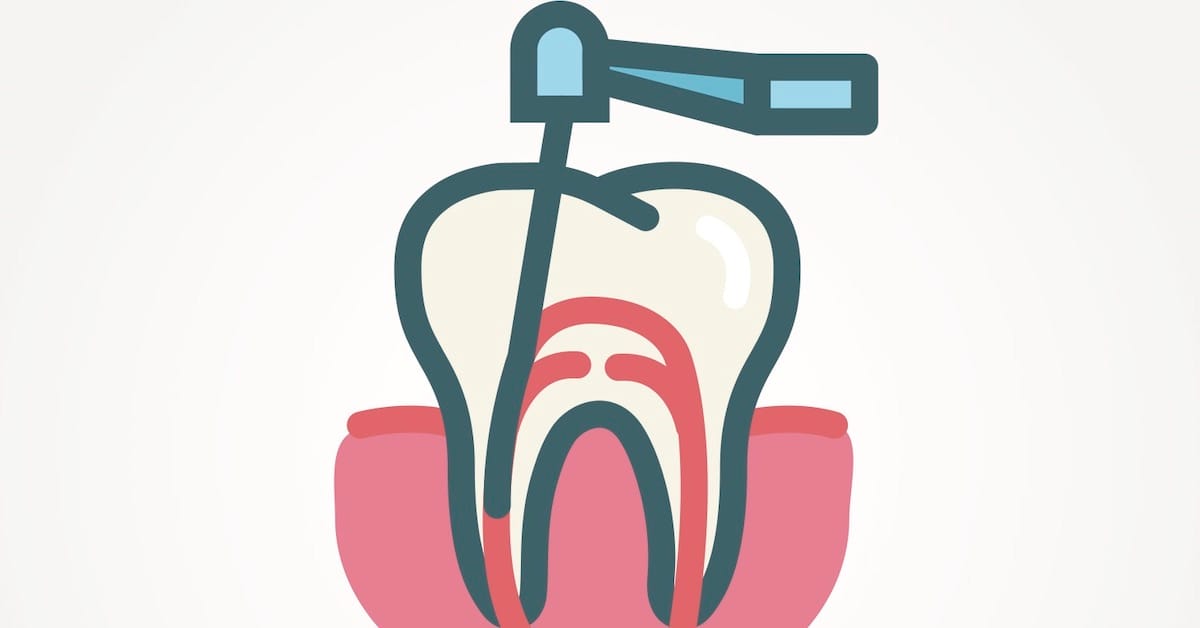
When your cavity is small, you can usually get a filling, and your tooth will be restored to health. However, if you neglect the small hole, the cavity will enlarge, and you may need a cap because large fillings are more prone to failure. If the decay progresses to the pulp of the tooth, then you'll most likely need a root canal and a crown to save the tooth.
Make sure you don't skimp or skip your oral hygiene regimen. Although your teeth won't immediately fall out, skimping or skipping good oral habits can increase your risk of developing serious physical diseases as well as oral diseases such as gingivitis and advanced periodontal disease. The following tips can help you maintain good oral health for a lifetime.
If you develop a cavity despite your best intentions, then your dentist will probably recommend one of the following treatments, depending on the size and location of the cavity:
Other types of treatments have been recently developed, including using fluoride or a sealant so that the decay doesn't spread, and the use of fluorescent lights to detect tooth decay. Ask your dentist about new and innovative treatments for tooth decay and cavities.
The best method for preventing cavities is prevention. This means good oral hygiene without skipping days and dedication to maintaining good oral health. Never underestimate the value of good brushing and flossing habits, using mouthwash daily, and annual visits to your dentist. Twice yearly is better, but if that's not feasible, at least go to the dentist once each year. In combination with a healthy diet that limits or excludes unhealthy foods, good oral hygiene can keep your natural teeth healthy for your lifetime, and you won't need painful, expensive, and invasive treatments and dental appliances.