We accept
Medicare Advantage plans to fit your dental needs.
Medicare Advantage plans to fit your dental needs.

Maintain good oral hygiene habits, see your dentist as directed for exams and get your teeth professionally cleaned to maintain healthy teeth and gums. It's a small price to pay for having teeth that help you chew and speak correctly. A healthy mouth is attractive and smiling frequently will boost your mood and self-confidence. Good oral health also lowers your risk for certain systematic diseases.
Plaque is the sticky film you feel on your teeth after eating or drinking. It makes your teeth yellowish is you don't remove it by brushing at least twice a day. Plaque causes cavities if you don't brush at least twice a day and floss one. It contains acid-producing bacteria that will eat a hole in your tooth enamel.
Plaque can harden into a substance called tartar. You usually find tartar at the gumline, where plaque is difficult to remove. Tartar will irritate your gums and cause inflammation, called gingivitis.
Is Gingivitis Curable?
Gingivitis is a very common problem, and highly treatable. However, in the early stages you may not be aware that you have it. Keep an eye out for these symptoms of gingivitis::
Fortunately, our dentist can treat and cure gingivitis before it possibly turns into periodontal disease. Periodontal (advanced gum) disease isn't curable, but it is treatable to prevent further damage. Periodontal disease occurs when the bacteria in tartar gets under your gum and attacks the bone and tissues that hold your teeth firmly in your mouth. Please call us or contact us online to learn about our gum disease treatment options.
Plaque causes tooth decay. Plaque is the sticky film on your teeth you should be brushing off twice a day and removing from between your teeth with dental floss at least once each day. There are bacteria in plaque that create acid from sugar. It is the acid that creates a hole in your tooth.
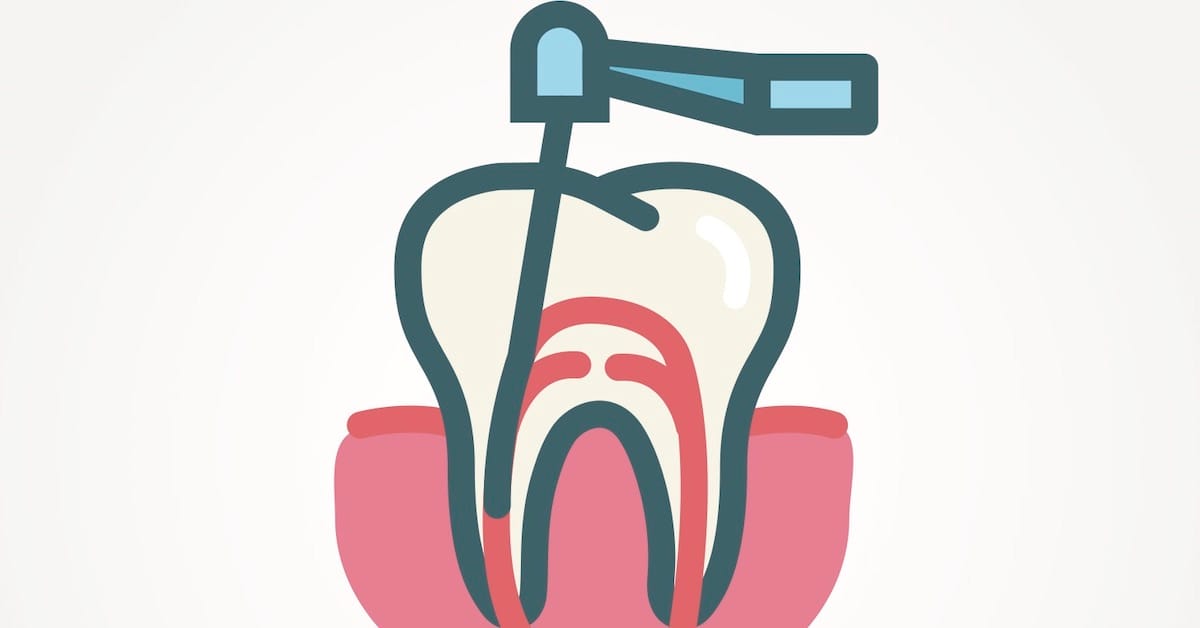
If the decay gets through the enamel, the hard outer layer of your tooth, it will create a hole, called a cavity or dental carie, in your tooth. If you see a dentist every six months, he or she can catch the cavity before it spreads to the pulp, the innermost layer of your tooth. All you will need is a simple filling. If the decay reaches the pulp, you will need a root canal. You will save yourself money and pain by giving your dentist the opportunity to treat a cavity before it reaches the pulp.
Please contact us immediately for an exam if you notice sudden tooth sensitivity or pain. Our dentist will take x-rays and stop the cavity from growing larger and causing more problems for you.
Brushing: Brush your teeth at least twice a day, but after every meal is better. Use a toothbrush with soft bristles or an electric one and brush each tooth on every side, including the chewing surfaces. You can also gently brush your tongue to remove plaque and freshen your breath. Replace your toothbrush about four times every year.
Flossing: Use dental floss to remove plaque trapped between your teeth. Follow the shape of each tooth, pulling plaque down, way from your gumline. Floss at least once per day before brushing your teeth.
Mouth Rinses: Antimicrobial mouth rinses can help remove plaque, while fluoride mouth rinses can help prevent cavities. Your dentist can help you choose the product which is best for you. Small children shouldn't use fluoride mouth rinses, since they can swallow them.
Eating Right: To be healthy, teeth need:
Low or non-fat dairy product, lean meats, fruit and vegetables can provide the necessary nutrients. Limit sodas with sugar and sweet snacks, especially taffy and other sticky candies. If you can't brush after having sugary snacks, drink water and/or chew sugarless gum containing the ADA Seal of Acceptance on the package. The bacteria in plaque needs sugar to make acids that cause cavities. Limiting your sugar intake will reduce your risk of developing cavities.
It's possible to keep your teeth for a lifetime. Your dentist will show you how to practice excellent oral hygiene at home to take care of your mouth between routine exams. He or she will evaluate your risk factors for cavities and gum disease and explain you you can lower your risk.
Your dentist is available to diagnose and treat any minor issues which arise. He or she will also screen your mouth for any signs or oral cancer, a disease which is rarely caught in its early stages, when treatment is the most effective. Your dentist will also talk to you about lifestyle changes, such as quitting tobacco use, that will lower your risk of developing oral cancer.
An early diagnosis and prompt treatment can significantly increase your odds of surviving oral cancer. A large percentage of people diagnosed with stage one oral cancer will survive five years or more. If they are diagnosed with stage four oral cancer, the number drops significantly. Most people diagnosed are men who are both tobacco users and heavy drinkers over age forty. Nevertheless, anyone can get oral cancer. Unfortunately, oral cancer is often caught when it has already spread since there are few noticeable symptoms and they are easily mistaken for other problems.
Our mission is to keep our patient's dental health in tip-top shape. You deserve a healthy smile. It creates a good first impression, is healthier for you, and increases your self-esteem.
At our practice, we educate our patients about preventative care, which saves you money and unnecessary pain. If you need a new dental home, please contact us from this website or simply call our office. We look forward to meeting you.