We accept
Medicare Advantage plans to fit your dental needs.
Medicare Advantage plans to fit your dental needs.

The most common symptom of sensitive teeth is a sharp, stinging feeling when you eat or drink items that are hot, cold, sweet, or sour. While this a fairly common problem to have, it is also a problem that is easy to treat.
If you have sensitive teeth and gums, you may find that routine oral health care tasks such as brushing and flossing cause you pain or discomfort. You may have even experienced pain when breathing in cold air. Luckily, having an understanding of what causes sensitive teeth and what kind of treatments are available to you can aid you learning how to manage your symptoms. You may even be able to eliminate your symptoms entirely.
There are many different causes of tooth sensitivity. The most common cause is when the enamel of the teeth is worn down and exposes the tooth’s root. Other causes include tooth decay, cracked teeth, gum disease, aggressive tooth brushing and receded gums. All of these issues can cause the nerves within the tooth’s roots to become exposed, causing sharp pains and discomfort when certain sensations hit them.
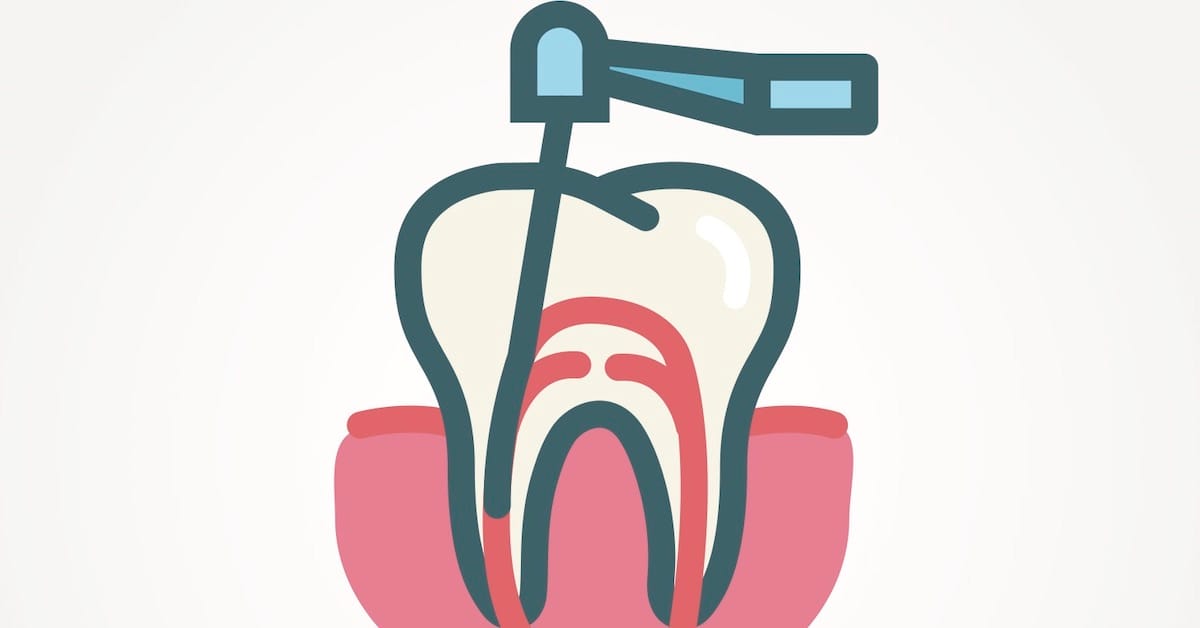
To effectively treat any pain that you’re experiencing due to sensitive teeth, you will need to know what the underlying cause is. If exposed dentin and nerves are causing the issue, you may want to try using desensitizing toothpastes. Fluoride supplements can also strengthen the tooth’s enamel. If your problem is being caused by receding gums, dentin bonding agents can be utilized to block sensations from reaching the tooth’s nerve. If none of these options works, your dentist may wish to perform a root canal to eliminate issues within the tooth’s pulp.
While you may be tempted to put off treatment for sensitive teeth, it’s important that you see your dentist as soon as possible. That’s because tooth sensitivity can be a symptom of serious issues. When you see your dentist, he or she will most likely recommend special toothpaste or fluoride treatments that will lead to stronger enamel and eliminate your pain.
Knowing how to treat your sensitive teeth is important. For instance, if you believe that you’re grinding your teeth, especially at night, you need to see your family dentist to determine if a night guard is a good option for you. Tooth grinding can cause tooth sensitivity and fracturing to occur.
Being sure to stay clear of acidic fruits, wine and carbonated beverages will also help you to address your sensitive teeth. These items wear down the enamel of your teeth. If you do choose to consume these items, rinse out your mouth with water or milk afterwards. Be careful not to brush your teeth immediately after consuming acidic items, as this can cause further erosion.
While you should always seek out the opinion of a dental healthcare professional, the following tips can help you to address your sensitive teeth:
This common condition is treatable and preventable. Preventing this problem from happening to you is as easy as brushing your teeth twice daily, using a soft-bristled toothbrush, brushing with gentle movements, flossing once daily and seeing your dentist on a regular basis.
There’s no need to continue suffering with tooth and gum sensitivity. Practice good oral hygiene and seek out the appropriate treatments for your sensitive teeth so that you can begin living your life without pain.